
“It must be nice to be a man and make boring music just because you can”
(Florence Welch)
When discussing tastes in music, I am often asked by friends as much as strangers why I like so many female artists. I have reflected on this over the years and rather come to the conclusion that the answer lies in the question itself. Yet, to attempt to answer it in its own terms, it is true I do like a lot of women singers yet there are a lot I do not like and quite a few men I like or have liked in similar ways. As I will also argue, there is a lot more to this than a matter of personal taste.
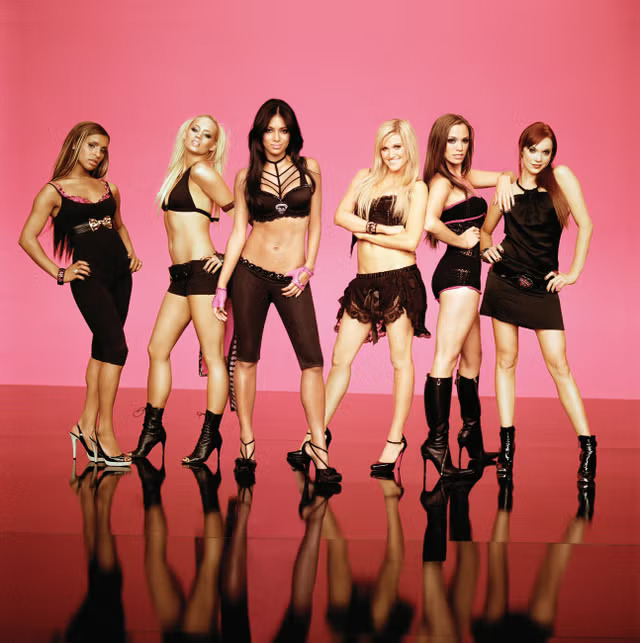
To start with the more personal point, I generally loathe vast swathes of what now constitutes female pop or, more particularly, girl group music – particularly in the twenty first century – the kind of hyper-sexualised gyrating that underpins artists as diverse as Girls Aloud and Destiny’s Child. The former, along with the Pussycat Dolls, All Saints, Sugababes and many others, tend to represent a partially or wholly male-manufactured disco pop selling of sex. They may or may not write some of their music, but the emphasis is still placed upon a particular dance-esque style of presenting that has its roots in a lot of Motown groups and similar musical phenomena of the 1960s and then, perhaps more than anything or anyone else, Madonna. Scantily clad, most of these artists drone on about how they fancy some bloke, don’t want the attention of some other bloke, or generally – to quote Kylie – can’t get blokes out of their heads. Kylie, interestingly, is a little different. Whilst sexy in a sort of coquettish way she is rarely fully “sexualised”, it’s too camp and too silly, attuned to the longevity of vaudeville in constructing femininity or, to put it another way and as once self-titled, she is a showgirl from her feathers to her kitten-esque heels. Madonna, circa the 1980s, was a good deal more aggressive and much of her work at this stage was often confrontational of the male gaze. Compare this with the imagery of the Pussycat Dolls twenty odd years later and the pornographic takes centre stage with slashed skirts, acres of flesh, and yes, those sky-high spikes for heels. And that’s before you get to the lyrics of “Don’t Cha” wish your girlfriend was a slag like me. My gross sexism here is intentional for what is illustrated here is just how far feminism in music has descended into what I would call a pit of neo-liberalism. So, the argument goes that “I can act like a stripper in an appearance derived from pornography created by men for men but, because I chose to, it’s liberating. And because I might still reject you when you come on to me, it’s empowering.” The same muddle besets the likes of Dua Lipa whose songs critique male behaviour whilst she otherwise gyrates and presents in a highly sexualised way. Also interesting to note here is that the prime consumers here are not straight men at all but either women following the same logic or gay men who’ve long since held up sexuality as liberation and the joys of clubbing. There is nothing wrong with either, particularly when you are part of a marginalised group that has been oppressed for centuries, but there is something jarring when you are only doing what men wanted and constructed in the first place.
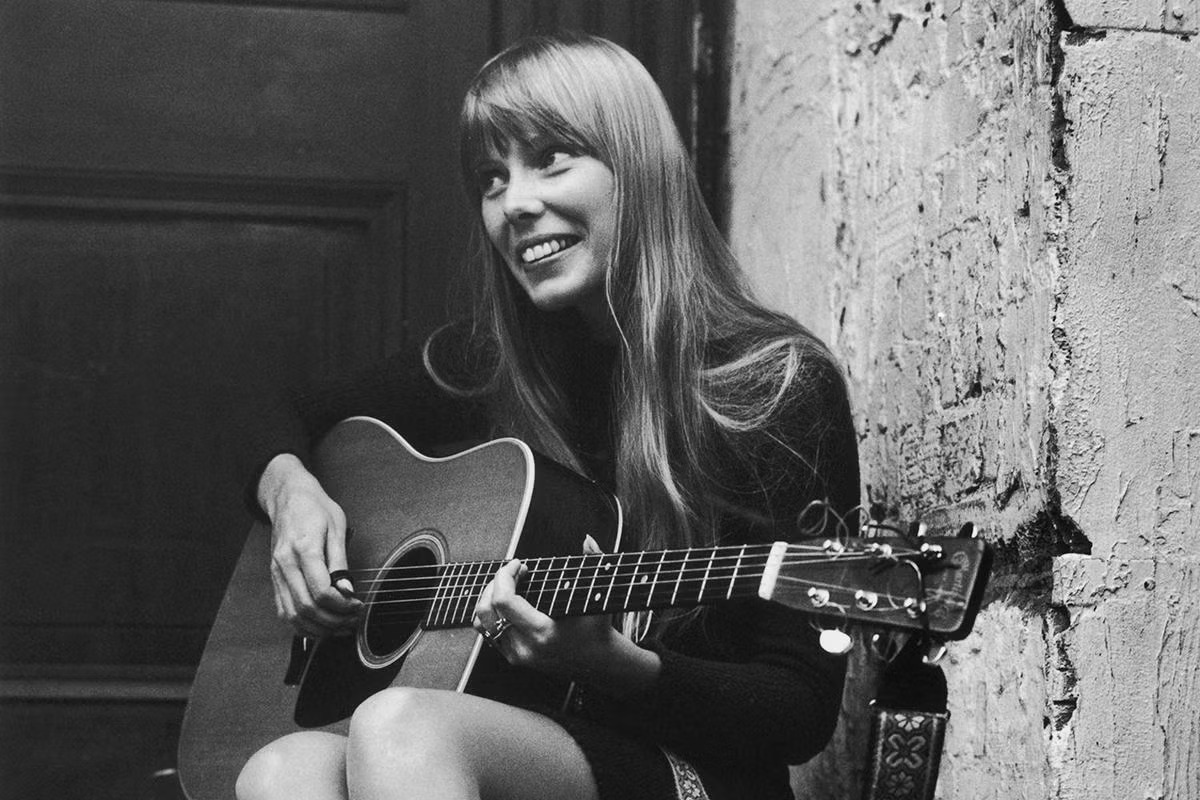
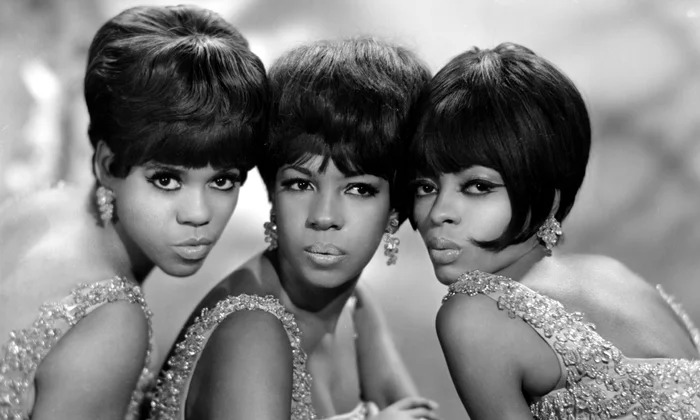
There is a history lesson in this. As is well-known, the world of rock and pop – as well as classical and jazz forms of music – is primarily founded upon male writers, male producers, and male record company managers. Women have historically tended to be slotted in here as – at best – singers and sometimes songwriters, particularly on the theme of civil rights (Nina Simone) or as front women for the American song book (cue the likes of Ella Fitzgerald and Billie Holiday). The rise of Motown would do much to put women centre stage – particularly in the case of Diana Ross and the Supremes – whilst writing and controlling them from behind the scenes. The folk movement was important in shifting attention more towards the female solo artist as a songwriter as well as a singer, particularly in the case of Carole King and Joni Mitchell, yet this was not normalised until the 1970s. Women doing anything more than dancing and singing as subjects of the gaze remained marginalised until later still when a slew of female performers and writers across differing genres would emerge from Chrissie Hynde and Cyndi Lauper to Kate Bush and Annie Lennox. Whilst the music they produced was diverse, the tendency to still position them as objects of the gaze and or to position their songwriting as somehow stereotypically feminine, would remain. This has shifted remarkably in more recent years yet the very long and entrenched legacy of presenting, or perhaps more accurately pigeonholing, the female in music as the singer of personal pain, particularly in the form of the torch song of unrequited love, would remain. Thus, whether you like “women’s music” has much to do with how you react to that genre.

To return to my more personal account, my admiration is for songwriters far more than singers. Thus, the top gongs go to the likes of Kate Bush and Joni Mitchell plus others – these self-producing, self-writing, world of their own creating musicians for whom critical acclaim often came late. Kate was five albums in before the majority took her seriously and Joni is still living down the “white goddess of folk” label to this day. Their nearest male counterparts – David Bowie in the UK and Bob Dylan in the United States –conversely held godlike status for nearing half a century, despite the fact that neither had the musicality of their female counterparts – yet I will return to this more vocal issue later.
So, you might say, much of this is politics. As a child of the 1970s and 1980s, versed in women’s liberation and later academically trained in sociology, I do not – however – fall for mere marketing. Cue Beyonce. Yes, she can sing and, dare you ever forget it, she is black and “fierce” and she even challenges the odd stereotype like country music is for white girls or deconstructs drum and bass, yet she does it whilst dressed in little or little that isn’t seriously “designer”, and sells everything from makeup to whisky in the name of her brand on the same website that sells her records. So, one might conclude, she is a talented singer that undoubtedly writes and performs some banging tunes and is without doubt a businesswoman (bizarrely the term business person still does not catch on in this world of Apprentice type females for whom lip gloss and heels are key parts of their self-proclaiming success) yet this pivots, as with Taylor Swift, on a banding of egoism and branding that is as neo-liberally deluded as it is American. In sum, the music is but a small part of it.
Interestingly, singer songwriters – even if female and even when the music does matter – do not always convince me either. The 1970s onwards were littered with Mitchell-esque wannabes from Judie Tzuke to Tori Amos, and from Julia Fordham to Alanis Morrisette. They have their moments and, in some cases, a startling start, yet the tendency of far too many to collapse into a solipsistic “me me me” of whining does not amuse me. Even when it’s sometimes meant to be funny. So, more recently, Self Esteem’s choral “feminism” never steps far from the zone of the self-centred in every sense and Chappell Roan and the like, whilst edgy, are just – well, not quite edgy enough. Commodity feminism looms here on all levels. Hence Taylor Swift has made a billion out of talking about herself. At enormous length. Thus, the ones that don’t impress the most. St Vincent shifts gear with every record and plays a mean electric guitar so, again, it rises above mere ego, and no-one really knows quite who Annie Clark is at all – it’s a persona all the way so when she dresses up in PVC like a sex doll and performs songs about sex and seduction, it’s not actually her rather some kind of dramatic irony. Similarly, Joan Armatrading has always done a lot more than tell tales of hurt whilst strumming a guitar.
Yet, to get back to the point, as is well known, many a gay man (and I am one, sort of) loves a diva yet for me bellowing to the back of the hall in a glittering gown does not cut the mustard much either. Whilst some are distinctive, Diana Ross and Dusty Springfield particularly, far too many are relics of that bygone age for me where men wrote the songs that women sing and most of that boiled down to bewailing being dumped or perhaps on the dig for gold. Eartha Kitt’s Black-and-Decker purr was a case in point or Nancy Sinatra’s similarly feline perfection. I will admit I did like that a lot more; it was fun. North America again looms large here whether in the form of the original gospel hollerers Aretha Franklin and Whitney Houston or other ear wigglers like Celine Dion, admittedly French Canadian, or Mariah Carey. Yet torch song touting in the twenty first century – this time in the form of something nearer to a self-confessional – would return in the form of Adele, a one trick pony if ever there was one. Thank the lord for the Vegas funeral pyre to which most of these aural assaults end up. I am not keen.
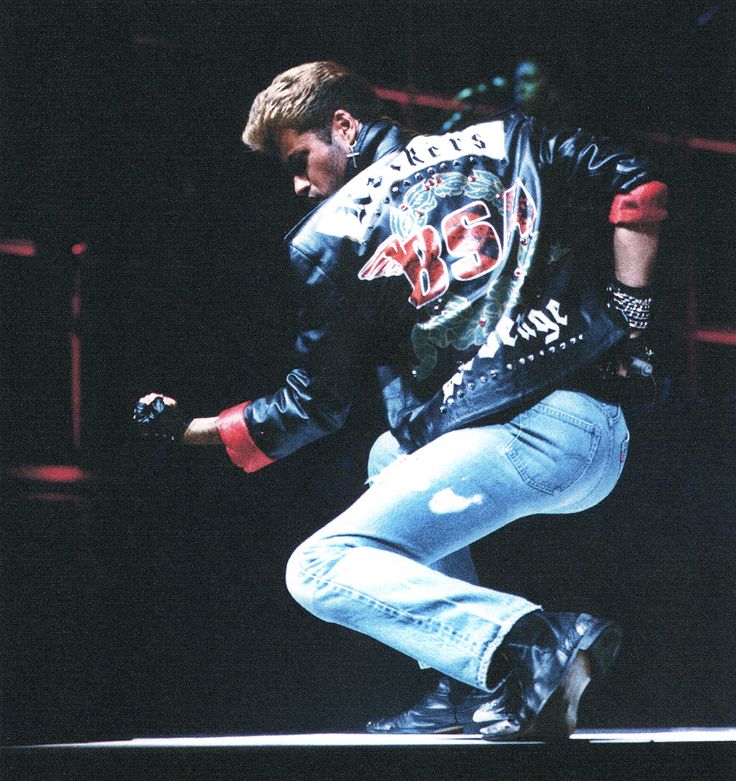
It should be clear by now what I do not like which begs the question why I like what I do like. And, in particular perhaps, the role of the voice. I have always liked a high note and, as a male of the species where one mostly loses the ability to hit them, that also becomes a source of admiration in itself. Of course, some males hit a high note too in falsetto – Russell Allen Thompkins Jr of the Stylistics was fantastic at it, and then there was Jimmy Somerville, and now we have the wonderful Jakub Josef Orlinski, a counter tenor who could near match the castrati and an interdisciplinary genre busting breakdancer to boot. Darren Hayes, of Savage Garden fame, is another who can hit a high note. Even more extraordinarily, Venezuelan Samule Mañero is a soprano, a male one, though he does don the odd dress. Singing styles and voices are a deeply acquired taste – my dad complained that most female ululating top c hitters hurt his ears whilst others like growlers. Interestingly, I like the whisky and coke gravel of Stevie Nicks (also a songwriter not just singer) or indeed Kelly Jones (again songwriter as well as singer of Stereophonics) or Richard Marx (both male!). And yes, and so, I do like some men, with a passion. The two most notable being George Michael (another tenor from heaven) whom I was both in love with and lusted after relentlessly and Peter Gabriel, the only true rival to the crown of Kate Bush. His third and fourth albums are widely regard as two of the most groundbreaking of all time. Another Michael, namely Bublé, can also “buble bath me” (to quote Jack Whitehall on the Graham Norton Show) anytime. George Michael and Jimmy Somerville do of course also stand for a form of unashamed gay politics which – to be consistent with my views on the women – I champion more than the whining of Will Young and Rufus Wainwright. So, interestingly, whiners whether male or female do not do it for me.
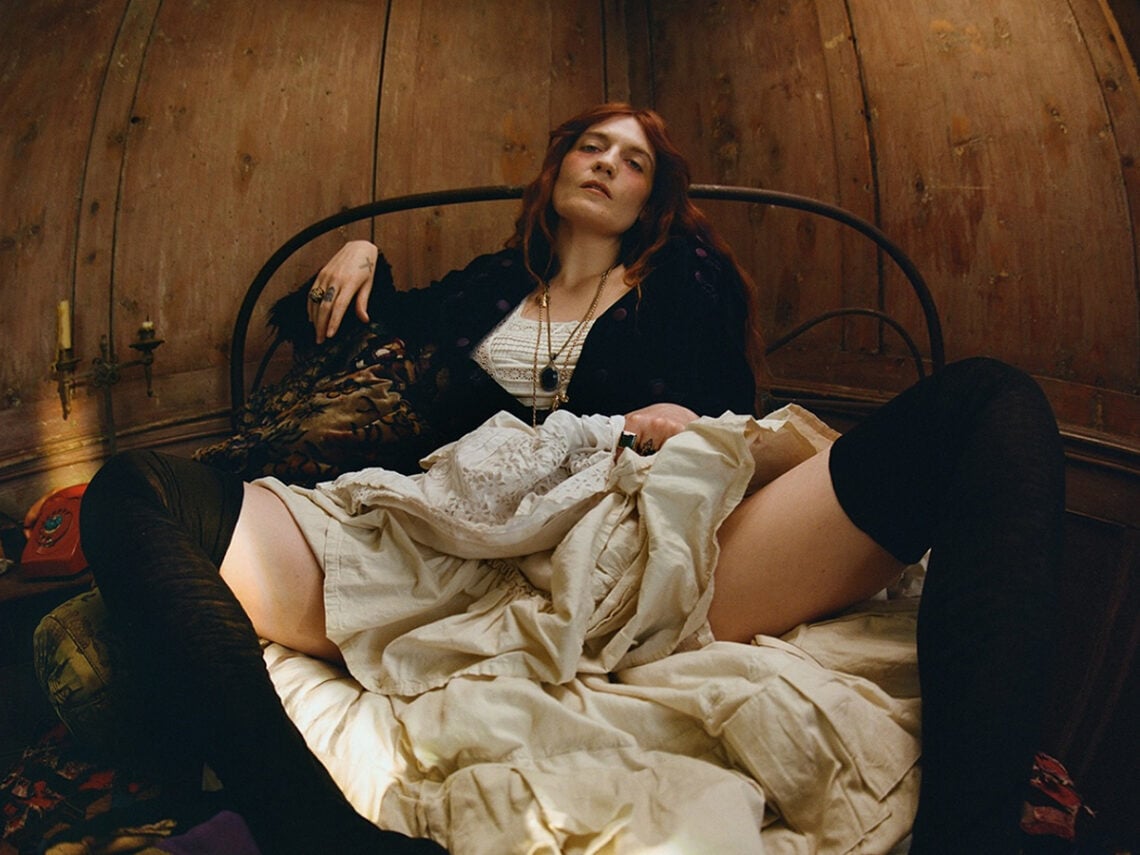
Yet perhaps there is a note to be wrote on the sound too. Several friends I have chatted to on this matter have said they do not find the female voice so pleasant. It perhaps lacks the same gravitas or power. For a heterosexual female listener this might also become a source of attraction (hence my mother’s playing to death of Neil Diamond) whilst heterosexual males do not seem to get into female voices unless, perhaps, they are either male level powerful or sound orgasmic. However, I wonder if this is purely an aural concern. I have the lingering sense here that the female sounding is simply not taken so seriously for it sounds feminine and, as all we good feminists and sociologists know, the feminine is seen as weak and degrading. A linking factor here is that women of more feminist conviction may also find displays of the feminine rather grating. Yet equally this expression of “what it feels like for a girl” may become admirable and more so for its connection to suffering. Whether womankind simply suffers more than mankind is perhaps open to debate, but it’s rather as if the female listener is sometimes less inclined to be reminded of all that than the gay male for many gay men finds the howl of female angst arresting. Many women artists now also do far more than wail in pain – US R’n’B has long been “sassy”, others observe or have punk-like overtones, and some – like Florence Welch – have enormous charisma, and indeed power.
The issue of sexuality also plays its part here for whilst some woman may not like listening to female whining, the heterosexual male appears positively suspicious if he does – like effeminacy, it raises questions about his masculinity. Hence, women singers may or may not be liked by other women, will rarely be the number one choice of men, and only a minority – gay men – tend to have a stronger affinity with them whereas conversely the men don’t cause problems for the straight men, are admired by some women, and fancied by some gay men so often times it’s a bit of a win-win for the men and not the women. What this in turn raises is a wider question of marketing. To return to where I started, women and men tend, not exclusively, to produce different kinds of music. Softer, folksier and generally more emotionally intimate music – and more simply “pop” – has been the preserve of females whilst males, though sometimes dipping their toes in these areas, have historically had a wider repertoire including more that is aggressive, political, and hard as the word “rock” connotes. There are of course crossovers, yet the exception tends to prove the rule in the case of punk females or the more confessional worlds of some men. The question of whether women and men necessarily want to produce such music is perhaps open to question – rather that is what they will get record contracts to produce, so that is what you will hear, and what will be distributed more widely.
None of this explains, necessarily, why person x likes y and person a likes b, though part of being a teenager is avoiding ridicule. As I was a teenager in the 70s and 80s, I have never forgotten how lads, particularly in groups, would routinely castigate anything and everything perceived as sissy, soft, or – more simply – feminine. Part of the derision that underpinned Abba’s career, until they had the last laugh, was that it sounded – and was – a good deal more feminine than its new wave, punk, or even new romantic and electronic pop contemporaries. That said, I guess I also need to somehow try to explain why I find (some) women’s music so appealing. Some of my favourite albums are indeed by women. What I am less sure of is whether their woman-ness is why. They include Kate Bush’s Aerial. I have never to this day forgotten going out in 1978 to get The Kick Inside on vinyl, putting it on my parents’ record player and within minutes finding myself tumbling down some kind of Alice in Wonderland rabbit hole never to escape in nearing fifty years – the sheer weirdness of it, the way her music envelops you, these worlds she create – yes, part of this is very female, not least her voice but it’s the creativity of it, its completeness as a mode of expression, and on occasion at least, the cleverness of it. Who else thinks up songs about Hitler’s sex appeal, the plight of a foetus in a nuclear war, or indeed expresses grief through an account of doing the laundry. Aerial took the domestic and the mundane and made it a profound exploration of both loss and an affirmation of life. In observing something as basic as bird song. She is, was, and always will be – a total one off – able to invent what you could not think up or to make the ordinary utterly extraordinary through lyrics, music, production, and performance. That is not defined by her femaleness. As previously mentioned, Gabriel at his best is similar but there are very few men who get anywhere near it not because they are men but because well, they just don’t. Another is Joni Mitchell’s The Hissing of Summer Lawns. What I heard back then, and now, is again an extraordinary ability to conjure something up that, in particular, expressed the complexities of humanness from the self-destructiveness of drugs or social climbing through to the realms of spirituality and wonderment. The complexities of Californian life are rendered dystopian and cinematic. Once more I am not sure what her femaleness has to do with it – it’s rather an anti-women record in parts – yet perhaps it requires a slithering in and out of vulnerability that males tend to find harder to do. I don’t know. What appeals is partly that cinematic quality and I’ve a strong love of film. This underpins another choice, Goldfrapp’s Tales of Us. Here femaleness does play a strong part – Alison’s breathy, evocative vocalising to the point where the words themselves near disappear lends itself once again to the creation of whole emotional worlds – the characters, drawn from literature and film are one way or another in turmoil and torment. Yet, the twist – a female one – is that this is not mostly expressed in ways that are violent or aggressive, rather strange and quite extraordinarily beautiful. And the other half of Goldfrapp is of course a man, Will Gregory.
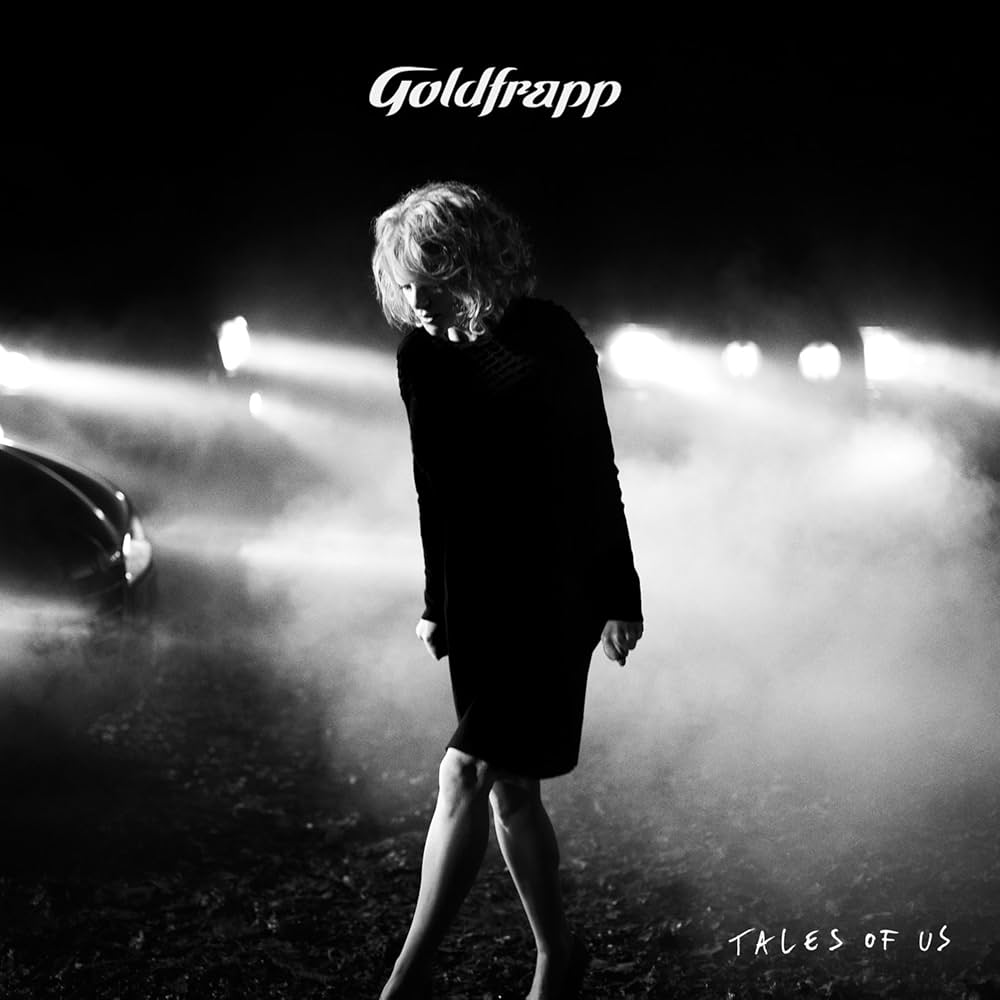
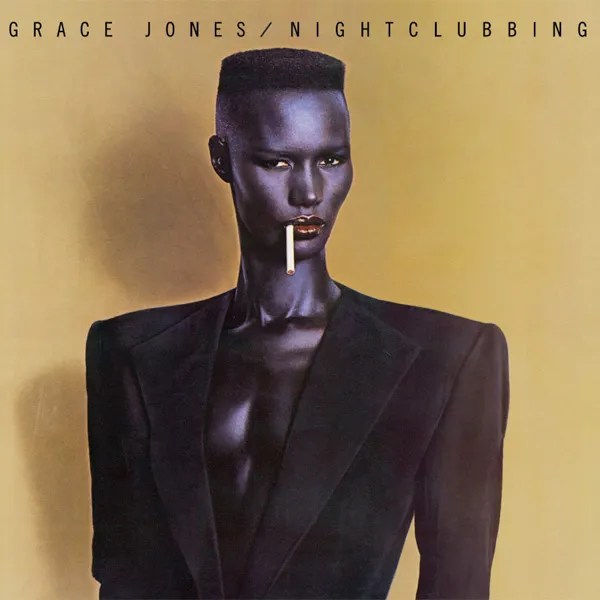
So, what we have here is a repetition of themes around emotionality, strangeness, and the cinematic. I also rate Gabriel’s third and fourth albums, for their sheer drama – indeed downright scariness – as mentioned before. Similar themes underpin the superbly dark qualities of Massive Attack’s Mezzanine. My prog rock seventies leanings also play into my love of Pink Floyd’s Dark Side of the Moon, surely the template for the concept album ever since. George’s Michael’s mid-career confessionals and soulful dance music, as well as the well-known highpoints of Bryan Ferry’s career, both touched me deeply. Meantime, the staggering Grace Jones is about as un-feminine as a woman can get. Thus, all in all, I am not sure this is about gender at all, rather genre – I like songwriters, world creators, the emotionally communicative, the danceable and the melodic – that criterion is occasionally met by the all-male band but not often.
From which another angle is my upbringing, by which I mean both parents and peer group. My mother was entranced by the ‘sixties revolution. My father was not. He stuck to the easy listening. So, my mother listened to much from Beatles to Baez. So, there is some synchronicity of my tastes and hers – particularly around the Joni Mitchells – though I would end up going way, way wider. On the other side of this, was school, the 1970s and the punk era that mutated into new wave. I was confused and isolated, mostly due to a mix of my upbringing and my burgeoning non-heteronormative sexuality. I found far too much of the punk/new wave era too displaying of an aggressive masculinity to which I could not relate or felt was threatening to the likes of me. Given my parenting from a powerful mother and a rather ineffectual father it was less that I was my mother’s sponge and more that I had no hope, and no desire, to play at knickers and tits talking masculine. So, I stayed put with the feminine until other types of masculine music emerged like the ex-prog rock crowd and the new romantics who were sometimes rather girly anyway or, more simply, sexy without looking like they’d smash my teeth out for being gay. And then, in 1984, the great crossover year of Bronski Beat and Frankie Goes To Hollywood had “cum”, so then you had actual gay male music writers while George Michael would just get better and better and sexier and sexier…
Yet perhaps I jest too much for there are more serious reasons why the music of (some) women at least gets under my skin. Much of this, again centres on era and the music of the 1970s – I mean can anyone surpass the expression of sexual intoxication that say Kiki Dee creates on Amoureuse, Elkie Brooks on Lilac Wine, or Diana Ross on Love Hangover? And Carly Simon did rather prove that nobody did it better – she had always done sexy – and then we got the bittersweet of Coming Around Again too. My point is that this heady mix of sensuality and the pleasures and pains of ecstasy is not a set of emotions that lend themselves so easily to (at least straight) male expression or what Kate once called “the thrill and the hurting” on her most “female” album The Sensual World. They are of course emotions more commonly expressed by women and more personally also experienced by gay men – and as one in the 1980s caught on the endless rollercoasters of being in and out of love with man after man – this stuff resonated. There’s an added twist here of camp – Kylie may have given it a more humorous edge, but others were doing it with serious flair. Thus, the Pet Shop Boys who, in their heyday were masters of dry melancholy, ended up not so ironically working with the likes of both Liza Minelli and Dusty Springfield. It’s a rich vein to tap into so, more recently, Lana Del Rey has welded it to Americana with a sense of the cinematic and David Lynch whilst Alison Goldfrapp would later explore all sorts of queer melancholy in all sorts of ways.
Or to turn the question around again why do I not like many of the male singing fraternity? Well, one immediate problem is that they often sing about shagging women and I don’t want to listen to that. Well, not usually, as Bryan Ferry’s ability to evoke cocktails and heels sexuality is spine tingling for me, as is Chris Isaak’s hurting never sounded so good Orbison-esque guitar-based howling. There’s a clue here. If not whining, I like melancholy in music. It resonates. Cue Max Richter. Another male. Yet generally women do it rather more than men in music – the agony of the dumpee is a primarily female preserve. Agnetha Faltskog of Abba fame was, and is, fabulous at it as were, and are, many others from Connie Francis and The Supremes onwards and it helps a bit, or rather a lot, if you can literally sound like you are in pain when you do it – hence, can anyone ever really do Dusty, or indeed Kate, like they can and sound anywhere near right? Hence Annie Lennox. Interesting as both legatee of Dusty and gender bender extraordinaire – so, again, back to the politics – the Eurythmics video and album Savage is proof that drag is even better when women themselves do it. Similarly, much of this underpins the gay factor more widely – gay disco is half thumping testosterone driven drums and half hysterical female vocal. Donna Summer has simply never been bettered. To equal it you have to step sideways into the Lennox of disco, Grace Jones, where growling “feeling like a woman looking like a man” in contralto whilst wearing a suit makes Gaga sound – and indeed look – well, very ordinary.
The other blink and you’ll miss it, it’s so obvious you can’t see it, factor is I don’t like bands so much and, if not groups and groupies, they are basically men, most of the time at least. There are women but they are the exception rather than the rule – hence the furore of the Spice Girls or current interest in The Last Dinner Party. The ones I do like have women in them such Abba and Fleetwood Mac or more recently the extraordinary blending of male rock and female communication that is Wolf Alice. Whilst I have had my phases of groupiedom and the exception can always prove the rule – I loved 10cc, early U2, The Smiths, and Ultravox – interestingly, many if not all of these have or had leading men I can relate to and these are not men who either a) trash guitars, sound aggressive, and drone on about women or b) pretend to be mob “political” in an industry that flagrantly co-opts any attempt to do so. Roxy Music, I have explained via reference to Bryan Ferry, whilst others I like – such as the incredibly witty 10cc – don’t go on about shagging women. The other aspect of the question seems to be marketing – men, the straight ones at least, seem to like other men – in groups. The peculiarity here it seems to me is that (straight) men seem to need to engage in some strange male bonding exercise for what is so great about all these “bands”? True, the Beatles and the Beach Boys did have much to do with the creation of pop (that then got perfected by Abba), Bob Marley and his Wailers popularised reggae (to a mind-numbing degree for anyone who has ever been to university in the 1980s), and the Rolling Stones foreran the rebel factor for all yet have been largely irrelevant for decades. Heavy metal seems to be male bonding with added brain disengagement or it becomes amusingly self-parodic as in the case of Rammstein. So, what’s the fuss about? To which one might say the reason the derivative Oasis were on every magazine cover in sight in the 1990s and made headline news when their fans (no-one else’s it seems matters) could not get tickets or were charged extortionate amounts. I seem to recall Taylor Swift concerts were rather pricy too but that did not make headline news other than for lengths people would go to see her and how dare she be a billionaire.
All of which brings me on to my finale – namely, the question itself. WTF shouldn’t I, my cat, the dog next door, or anyone, like or prefer female artists and perhaps the reason they don’t (or appear not to) is due to the fact that that same male bonding fraternity grows into male music journalists, male record company owners, and male producers and male distributors. Same old, same old. The woman, the female, let alone the feminine, is a second-class citizen to the juggernaut patriarch y of music production and music fandom. Perhaps one should show more sympathy to the sexed up female group/ie of the twenty first century – if only it wasn’t such a patriarchal production in the first place. I’ve recently been rediscovering Suzanne Vega – someone who can slice and dice New York City and does not sing high nor sound as if she is in pain yet who observes and serves up rhyming couplets with acuity – yet neither she, nor Kate nor Joni would stand much hope in the current climate of stream till death you do part world of music selling which, of course, is also run by men. The list of best-selling music artists of the twentieth century and onwards is defined by two things – one, the United States (no surprise there); and two, it’s maleness. Females creep in – most notably Madonna and some of those of marketing and or rap fame (no surprise for where any of this also comes) – and they are mostly singers and performers more than they are songwriters. So, either people are just genetically disposed not to like women’s stuff very much at all or, well, you can work it out…

